
Executive Summary
DJI continues to strengthen its position as the global leader in consumer drones while expanding aggressively into creator technology and professional imaging. Recent product launches demonstrate a strategy focused on AI-powered automation, improved camera quality, creator-friendly workflows, and ecosystem integration. Rather than competing solely on flight performance, DJI increasingly differentiates itself through software intelligence, stabilization technology, and seamless cross-device experiences.
1. Consumer Drone Portfolio
DJI Mini 5 Pro
The Mini 5 Pro represents DJI’s latest evolution of its lightweight drone category. Despite remaining in the sub-250 g class in many markets, it introduces meaningful upgrades in obstacle sensing, imaging performance, and intelligent flight capabilities.
Key strengths include:
Improved collision avoidance
Enhanced low-light image quality
Longer flight endurance
Professional-grade tracking features
Excellent portability
The Mini series continues to target travelers, hobbyists, and content creators who need professional-quality aerial footage without the size and regulatory burden associated with larger drones.
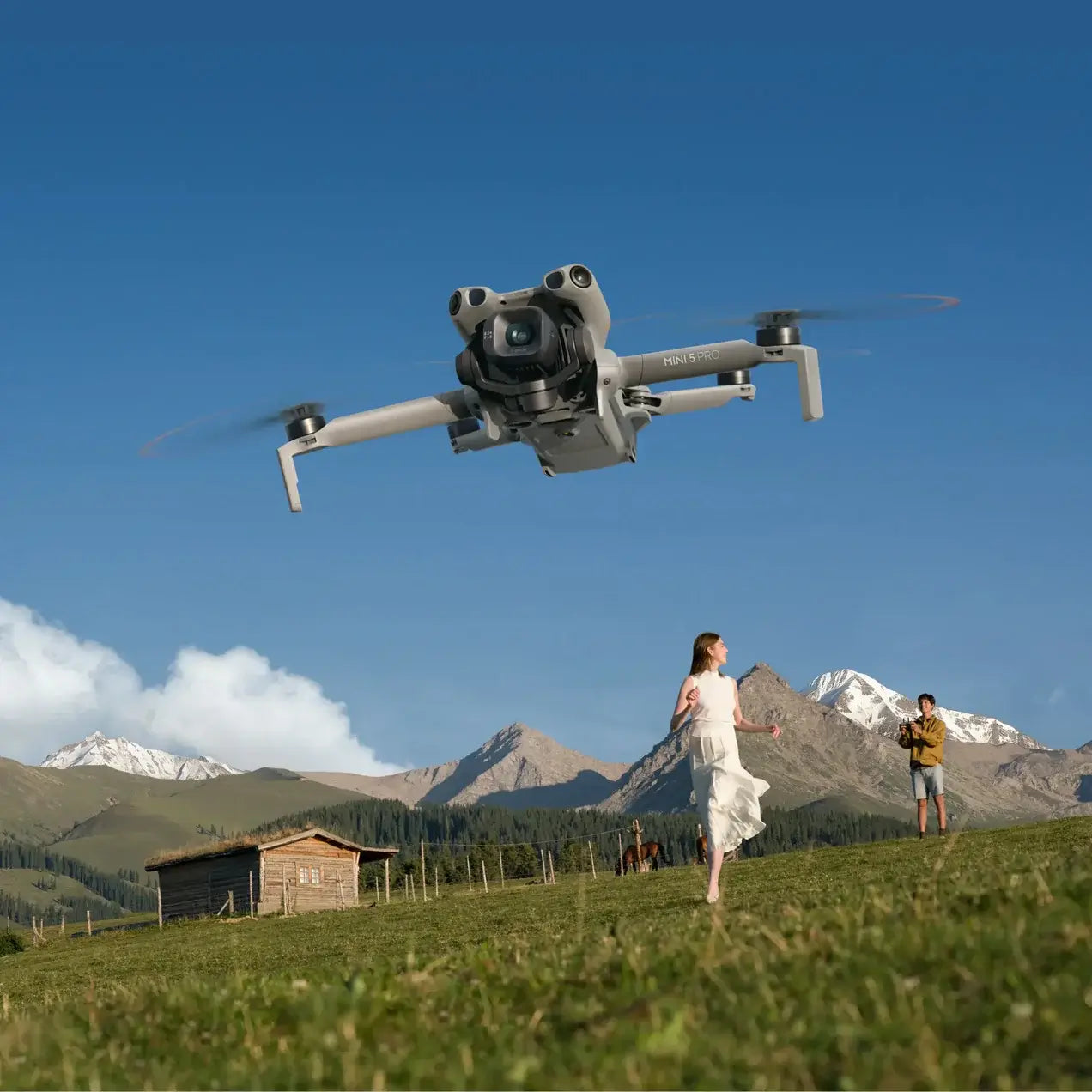
DJI Mini 5 Pro Fly More Combo (DJI RC-N3)
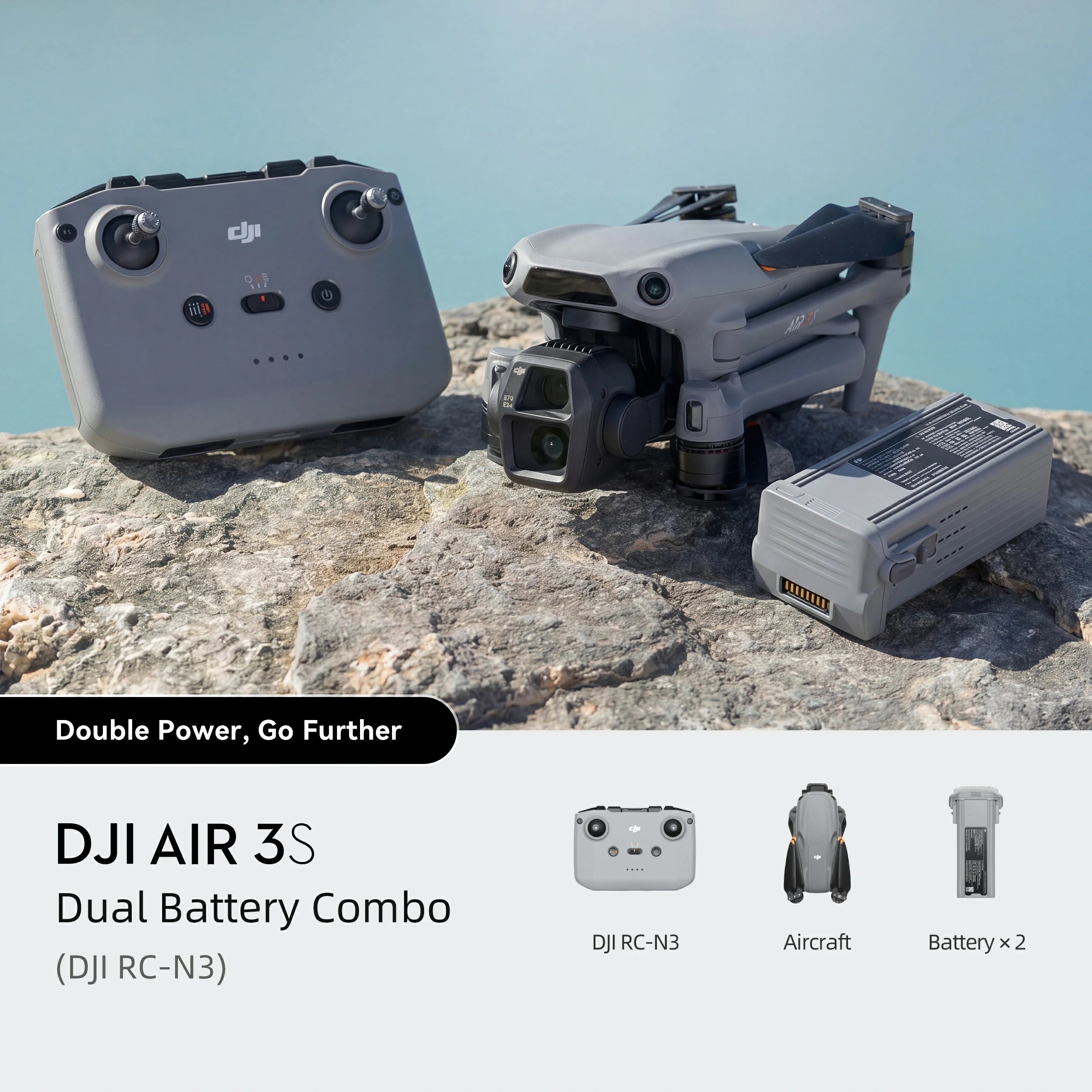
DJI Air 3S
The Air 3S occupies the mid-range segment between the Mini series and flagship professional drones. It offers a balance of portability, dual-camera versatility, advanced obstacle sensing, and longer transmission distances.
This product appeals to advanced enthusiasts and independent filmmakers seeking higher image quality without the cost or size of cinema-grade systems.
2. Handheld Creator Products
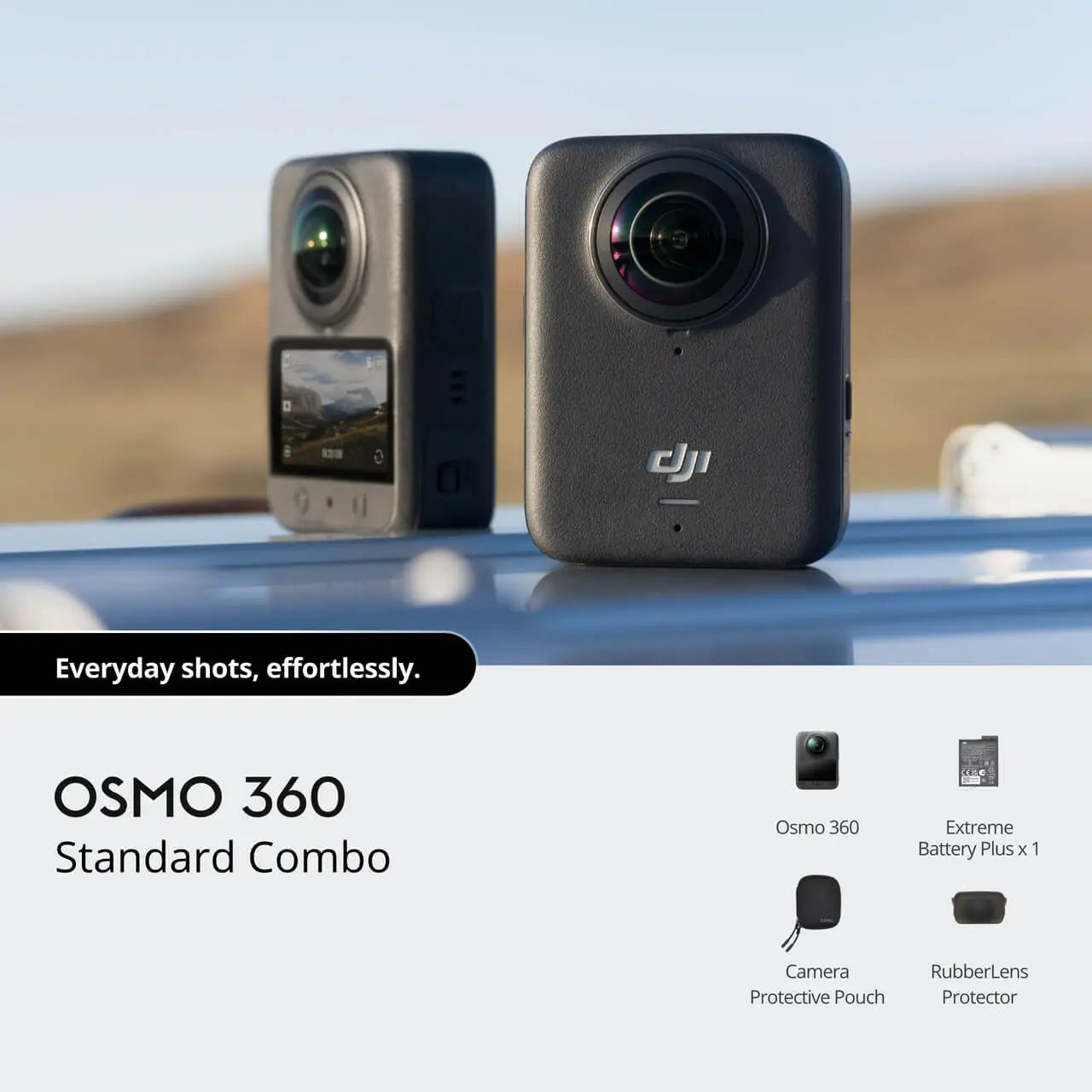
Osmo 360
DJI has expanded beyond traditional action cameras with the Osmo 360, reflecting growing demand for immersive video production. The product targets creators producing virtual reality content, social media videos, and interactive experiences.
Strategically, the Osmo 360 enables DJI to compete in the fast-growing 360-degree camera market while leveraging its expertise in stabilization and imaging technology.
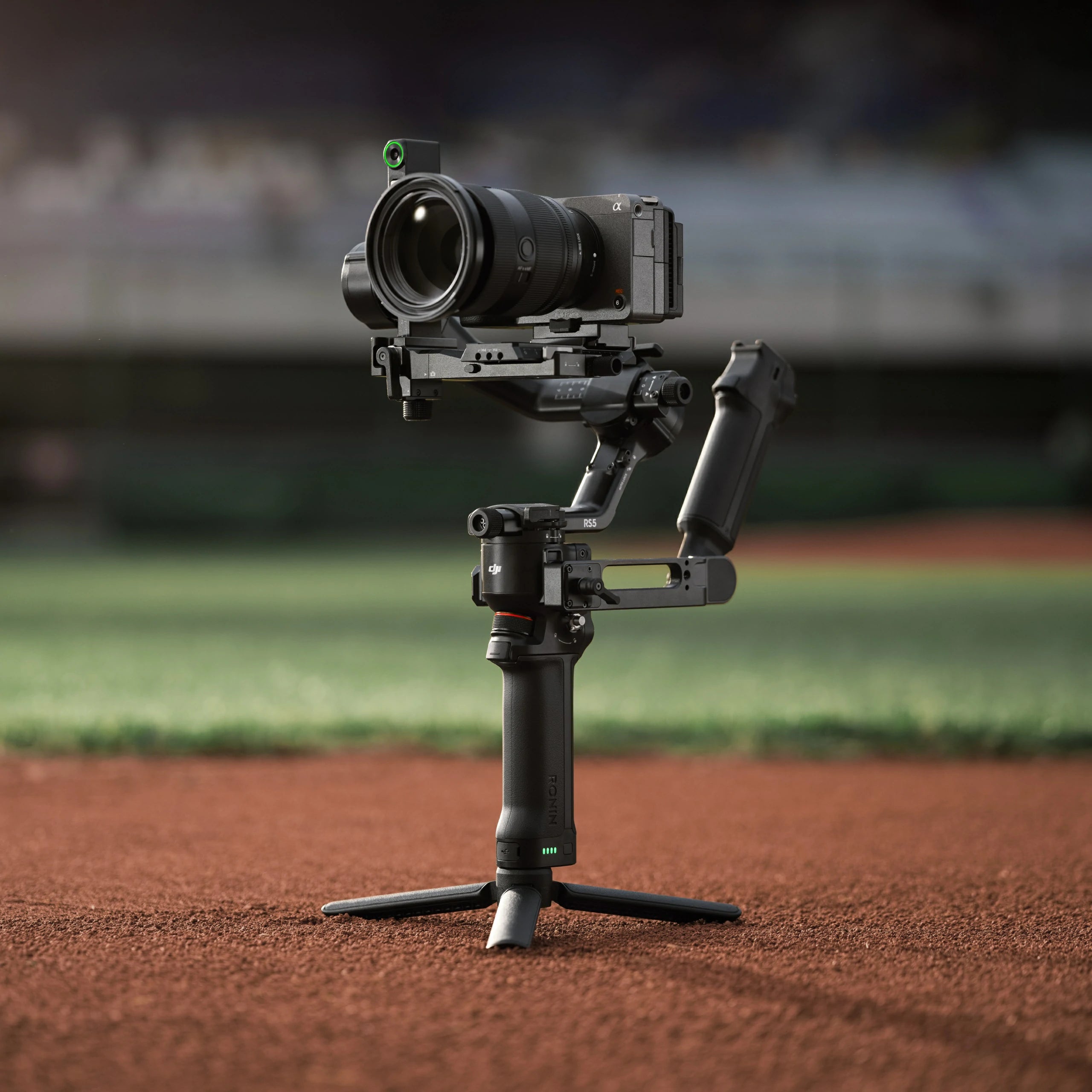
DJI RS 5
The RS 5 professional stabilizer demonstrates DJI’s continued leadership in camera stabilization systems.
Major improvements include:
Increased payload capacity
Enhanced stabilization algorithms
Improved ergonomics
Better integration with modern mirrorless cameras
Faster setup workflows
The product primarily serves professional filmmakers and commercial production teams.
3. Product Strategy
DJI’s latest portfolio highlights several strategic trends.
AI-Powered Automation
Across drones and handheld devices, DJI is increasingly integrating AI into subject tracking, obstacle avoidance, flight planning, and camera operation. These features reduce manual workload while making advanced cinematography accessible to less experienced users.
Creator Economy Focus
Recent launches emphasize products designed for YouTubers, filmmakers, livestreamers, and social media creators. Instead of serving only drone enthusiasts, DJI is positioning itself as a comprehensive provider of creative imaging tools.
4. Competitive Advantages
DJI maintains several important competitive strengths:
Industry-leading camera stabilization
Mature flight control software
Strong AI-assisted imaging features
High-quality hardware integration
Broad ecosystem of compatible products
Significant investment in research and development
These capabilities create a high barrier to entry for competitors.